
7 Jun 2026 · 2 min read
Unlocking Business Growth: How Leadfeeder Solves Common Pain Points
Use industry-leading web visit identification technology and company data to reveal intent and take action across marketing and sales
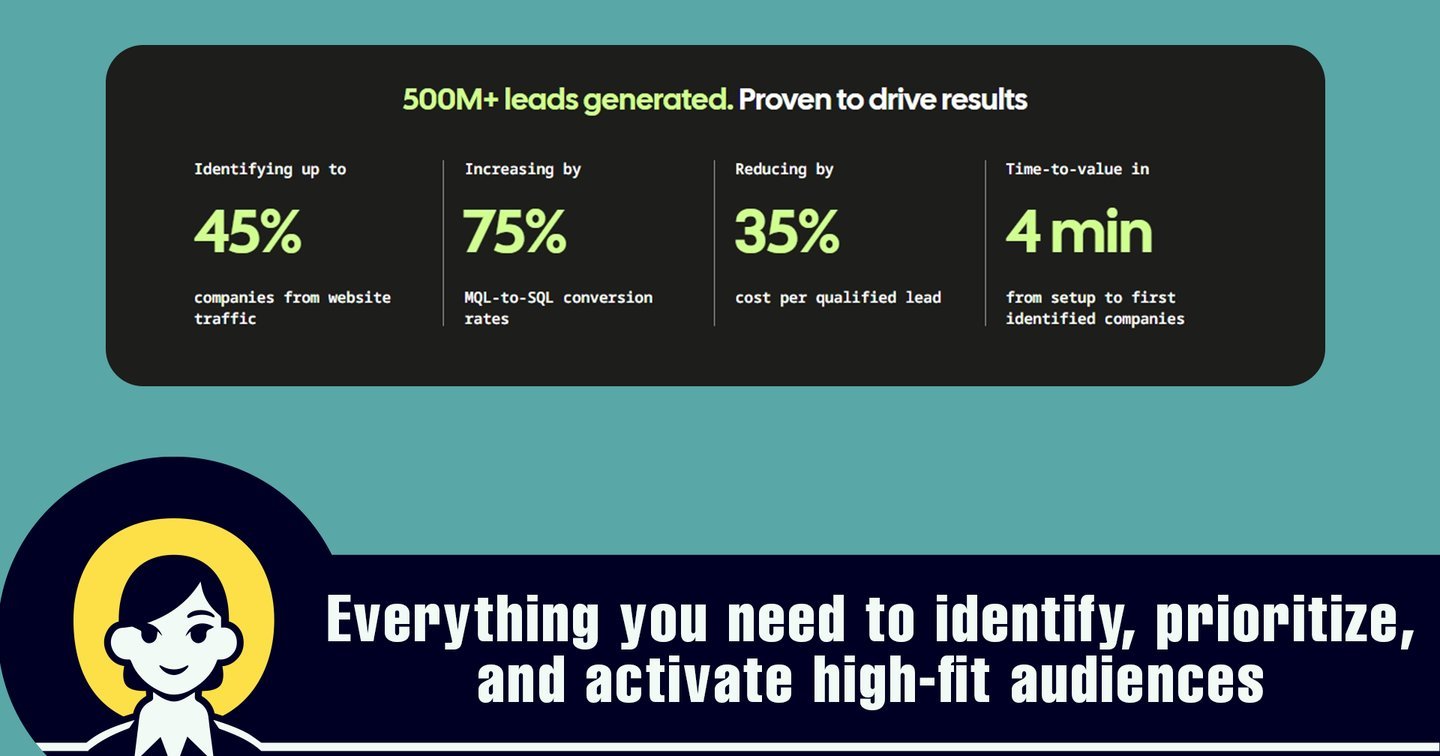
Pain Points Addressed by Leadfeeder
Many businesses face common pain points that can hinder their growth, and Leadfeeder offers solutions to these issues. Firstly, the lack of visibility into website visitors can lead to missed opportunities. By utilizing Leadfeeder, businesses can turn previously unknown visitors into identified leads, significantly improving their conversion rates.
Moreover, businesses often struggle with inefficient lead qualification. Traditional methods might not provide sufficient insight into lead potential, causing teams to waste time on low-impact prospects. Leadfeeder simplifies this process by analyzing visitor behavior and engagement levels, allowing businesses to focus on high-ranking leads that are ready to be converted.
Another common challenge is managing follow-up communication. Businesses may fail to maintain consistent contact with prospects due to the overwhelming volume of leads. Leadfeeder supports effective follow-up efforts by providing timely notifications about returning visitors and their activity, ensuring that sales teams can engage at the right moment.
Conclusion
In summary, Leadfeeder is an advantageous tool for businesses looking to improve their lead generation efforts. By addressing pain points such as lack of visibility, inefficient lead qualification, and disorganized follow-up communication, Leadfeeder equips businesses with the insights they need to thrive in a competitive landscape. Investing in Leadfeeder not only enhances lead tracking but ultimately contributes to better sales outcomes and business growth.